What affects pest control costs in Portsmouth?
Quotes for pest work in Portsmouth can differ widely, and the gap is rarely explained by the headline figure alone. A pest job is priced around the work needed to identify the problem, deal with it and prevent it coming back. The species, how established the activity is, the building, the number of visits and any structural work all change that work. Some costs are fixed by the law rather than by the contractor, such as the licence needed for certain methods. This guide explains those cost drivers so that a quote can be read on its scope rather than on its total.
Pest species and severity
Different pests need different methods. A small, recently noticed problem with clothes moths in one wardrobe is a very different job from an established rat infestation in a commercial kitchen. Species determine the products, traps and equipment, and severity determines how far the search has to extend. A contractor who asks where the activity was seen and how long it has been going on is working out the scope, which is a sign of a quote that reflects the real job.
Some methods are not open to everyone. Certain traps and poisons are restricted, and the GOV.UK guidance explains that you cannot use glue traps designed to catch rodents or self-locking snares. Using glue traps for rodents requires a licence and, as the GOV.UK guidance on glue trap licences explains, such licences are granted only to professional pest controllers in exceptional circumstances where other methods have failed. A quote that relies on a restricted method should say so, and should show the licence it depends on.
Property size and access
A flat, a terraced house and a detached property with a loft and cellar present different problems. More rooms, more voids and harder access all increase the time needed for inspection and treatment. Access itself is a cost driver. A job that involves boarded lofts, a tight crawl space or a commercial building with restricted hours takes longer than an open room at ground level.
Older Portsmouth buildings often share roof spaces, party walls and voids, so an activity problem in one unit can extend into the next. A surveyor who checks only the affected room may miss the route the animals are using. Quotes that include checks of connected spaces tend to describe the job more accurately than quotes limited to the visible room.
Number of visits
Some problems can be cleared in one visit, while others need a course of treatment. A single wasp nest may be one job, but rodent problems often need repeat visits to check that a treatment has worked and that new activity has not begun. Quotes should show how many visits are included, what each one involves and what happens if activity returns between them. A low price for a single visit may not include the follow-up that makes the result last. The one-off visit and contract pricing explains how these structures usually differ.
Proofing and follow-up work
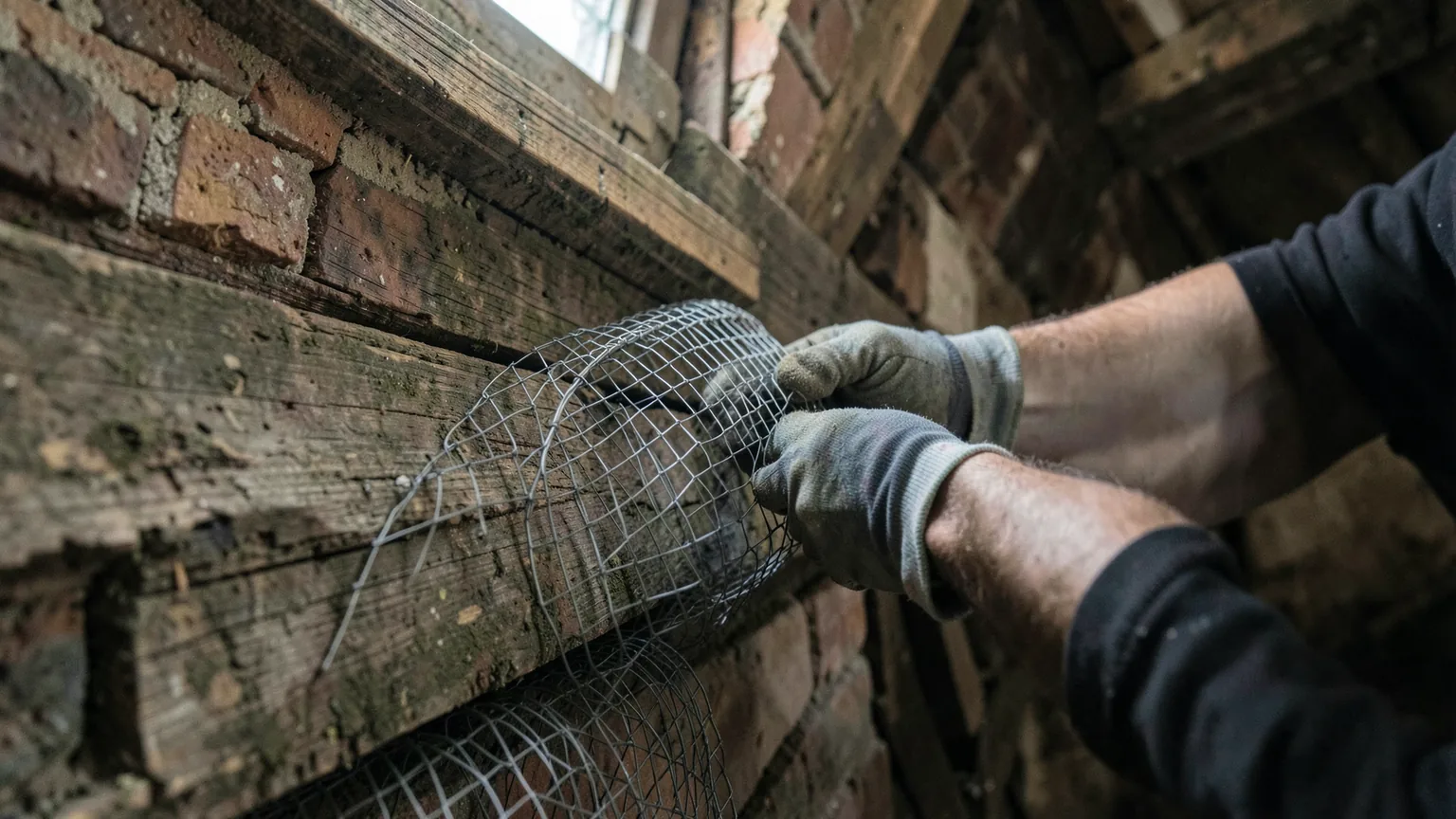
Treatment removes the animals that are present. Proofing stops others arriving. Sealing gaps, fitting mesh to vents and repairing a damaged vent take labour and materials that a treatment visit alone does not provide. Proofing is often the largest variable in a quote, and it may be quoted separately or included. Ask which is the case, and whether the proofing is done by the same firm or a separate builder.
Bird control adds licensing time more often than licensing cost. The GOV.UK guidance on wildlife licences explains that general licences are free of charge, while Natural England charges for some other licences and states the charge in the guidance for each one. Gull work is the usual Portsmouth example: herring gulls and lesser black-backed gulls cannot be killed under a general licence, so lethal control needs an individual licence, and Natural England can take up to 30 working days to decide. Where a licence is needed, any fee and the time taken to get it should appear in the quote.
Access, timing and the building's use
Out-of-hours work, urgent callouts and premises that must stay open during treatment all affect the cost. A food business may need work done after service, which changes when a contractor can attend and how long the job can run. A shop with stock in a back room may need goods protected and extra time to clear areas before treatment.
Councils run pest services as well. The pest control guidance on GOV.UK says you can ask whether your council provides them, and that you may be charged for the work. A council charge and a private quote are fair to compare only once they describe the same survey, treatment and follow-up.
Reading a quote
A useful quote lists the survey, the treatment method, the products or equipment, the number of visits, the follow-up plan and any proofing or structural work. It should say what happens if the first treatment does not resolve the problem. Be cautious about quotes that give a single figure with no explanation of scope, because they make comparison hard.
Ask each provider how they will check that a method is lawful, and which licence, if any, applies. A provider who can explain the legal limits of its methods is giving you information you need, not an extra.
Recording what was done
A clear record of previous work makes the next quote easier to prepare and easier to compare. Keep the survey, the plan, the visit reports and any invoices together. When the same property needs another visit, the new contractor can see what was found, what was used and what was recommended but not carried out. That history shortens the survey and reduces the chance of repeating a treatment that did not work, which is one of the more avoidable costs in pest work.
Licensed methods and fees
Some pest and wildlife work cannot be priced until the licence position is known. Certain methods are restricted by law, and a licence is needed before they can be used. The wildlife licences guidance explains which licence applies to which activity, and that some licences involve paying a fee. Where a method is restricted, such as the use of glue traps on rodents, the glue trap licence guidance says the licence is held by professional pest controllers and granted only in exceptional circumstances. A quote for work of that kind should show the time needed to obtain the licence, the qualifications the technician must hold, and what happens if the licence is refused.
Where a licence is not needed, the cheaper-looking option may be the restricted one, and that is a reason to ask the provider to explain the method in writing before you agree to it.
Survey time and local knowledge
Surveys take time, and experienced surveyors can often identify a problem faster because they know the building types and the patterns in the local area. That experience is part of the price. A survey that identifies the species, traces the route and sets out a plan may cost more at the start and less over the course of the job, because the treatment is targeted rather than repeated. Portsmouth has a mix of older terraces, flats and mixed-use buildings, and a surveyor who knows how these buildings are put together can usually find the likely routes quickly.
Councils and private firms
Councils can provide pest control services, and the pest control guidance on GOV.UK explains that a fee may apply. A private firm may offer a broader service, including proofing, monitoring and contract visits. Neither is automatically better value. Compare what each includes, and whether the council service covers the follow-up visits and proofing that a private quote lists separately.
To compare like with like, request a quote and give the species, the building type, the rooms or areas affected and whether any neighbouring properties are involved. The pest control services page sets out the general scope of work, the food business duties guide explains where regulation adds requirements to a commercial quote, and the local areas covered by this site are listed for reference. This site passes quote requests to local firms and does not price or carry out the work itself.