Preventative Maintenance & Care for facility & operations managers in Portsmouth
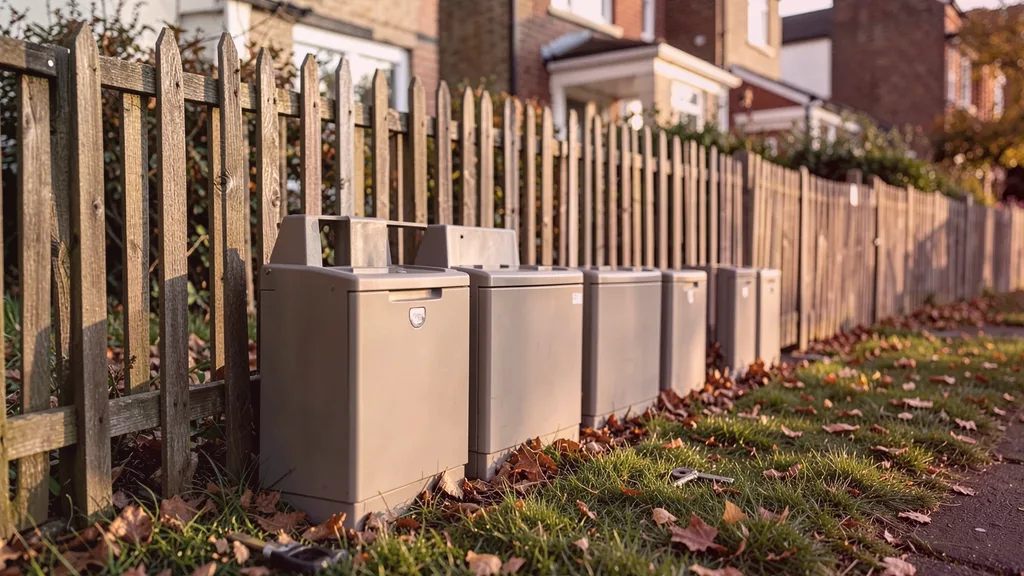
The core of a planned contract is a site survey followed by a monitoring plan. Technicians identify risk areas such as goods-in, waste compounds, plant rooms, kitchens and vending areas, riser cupboards and external drains, then place numbered monitoring points or bait stations with a reason for each. Many contracts now use non-toxic monitoring indoors and reserve rodenticide for confirmed activity, in line with the stewardship code. Some firms offer electronic traps or sensors that report activity between visits; ask what they detect, who receives the alerts and what action the contract commits to.
Routine visit frequency is agreed per site, with food production and other high-risk premises normally visited more often than offices. Each visit should check every monitoring point, record activity, replace insect monitoring boards where used, and look at the building fabric. Agree how the technician signs in, whether escorted access is needed for plant rooms or secure areas, which induction and permit-to-work rules apply, and how visits will be timed around occupiers.